Speaker Buying Guide

Consider these important factors when choosing the perfect speakers for your space

Room Size

Consider the dimensions of your listening space. Larger rooms require more powerful speakers to fill the space effectively.

Power Requirements

Match speaker sensitivity and impedance with your amplifier's capabilities to ensure optimal performance and avoid damage.

Budget

Set a realistic budget that includes speakers and ideally cables. Quality speakers are an investment in your listening experience.

Speaker Type

Choose between bookshelf, floor-standing, or in-wall speakers based on your space, aesthetic preferences, and audio needs.

Placement

Proper speaker positioning is crucial. Consider distance from walls, listening position, and room acoustics for the best sound.

Types of Speakers

Type Description Best For
Bookshelf / Standmount Compact, detailed sound; ideal for smaller rooms Nearfield or smaller listening areas
Floorstanding Full-range sound with deeper bass and higher output Medium to large rooms
Electrostatic / Planar Exceptional transparency and imaging Dedicated listening rooms
Horn-loaded Highly efficient, dynamic, and lively High-impact music, low-power amps
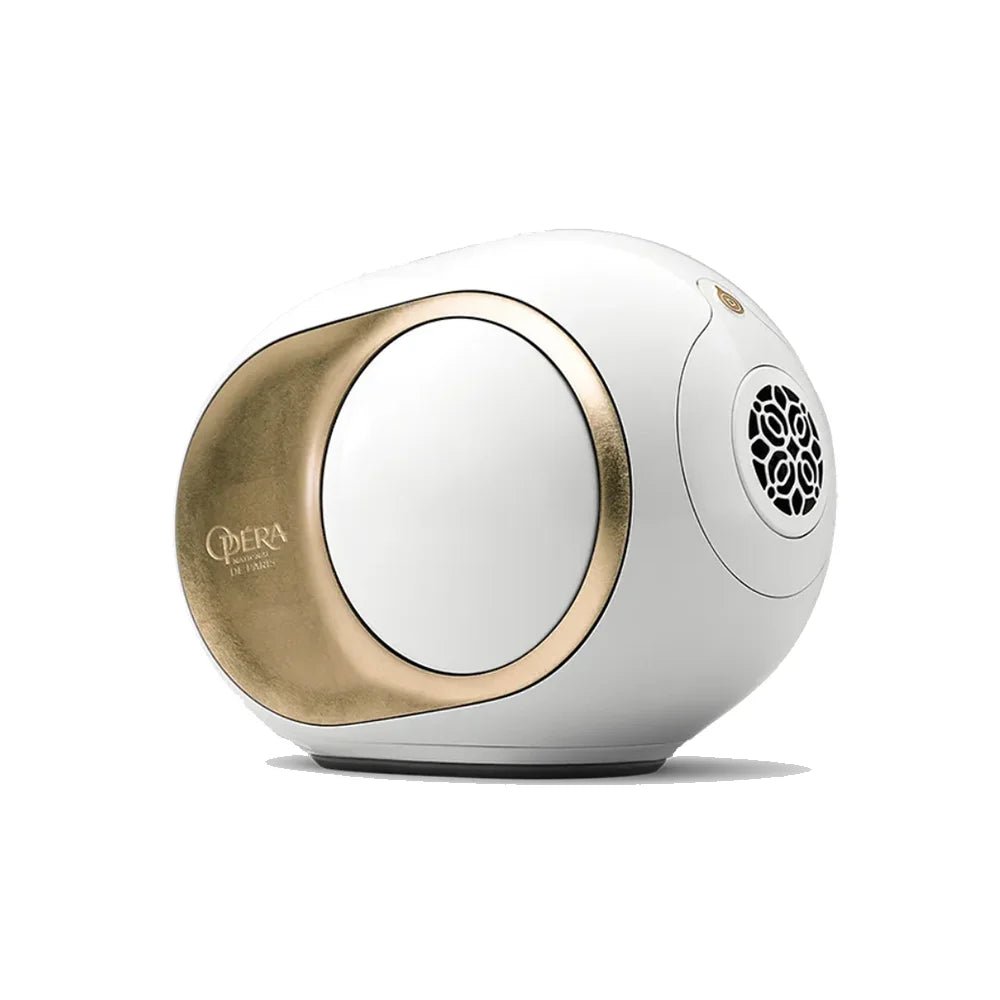
Active / Powered Built-in amplification, precise matching Simplified setup, modern systems

Understanding Speaker Specifications

When evaluating speakers, you'll encounter various technical specifications. Frequency response indicates the range of sounds a speaker can reproduce, typically measured in Hertz (Hz). Sensitivity, measured in decibels (dB), tells you how loud a speaker will play at a given power level. Impedance, measured in ohms, affects how much power your amplifier needs to deliver.

Understanding these specifications helps you make informed decisions and ensures compatibility with your existing audio equipment.

In Summary -

  • The higher the sensitivity of the speaker the less power you need
  • The lower the sensitivity of the speaker the more power you need

Active vs Passive Speakers

Active speakers have built-in amplification, making them a convenient all-in-one solution. They're ideal for desktop setups or situations where space is limited. Passive speakers require an external amplifier but offer greater flexibility in system configuration and potential for upgrades.

Consider your setup requirements, available space, and future expansion plans when choosing between active and passive speakers.

Room Acoustics Matter

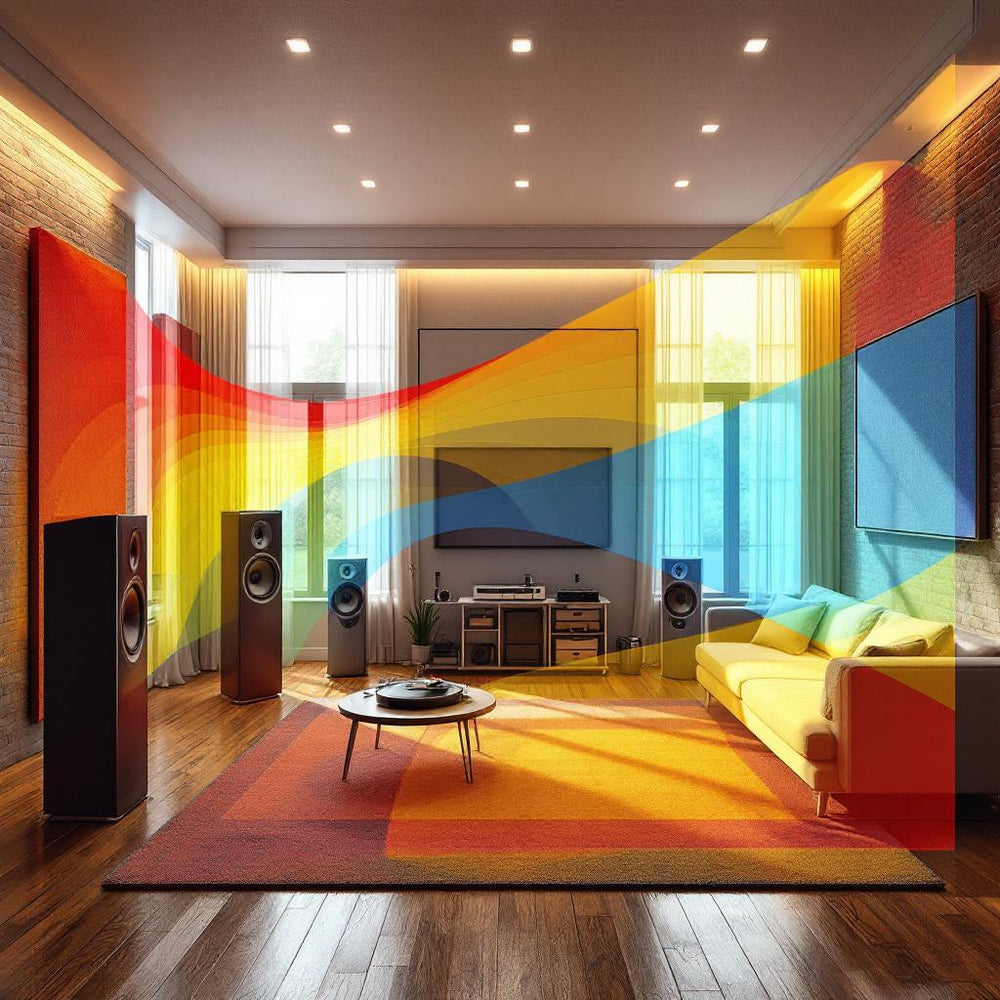
The acoustic properties of your room significantly impact speaker performance. Hard surfaces like glass and tile create reflections, while soft furnishings absorb sound. Room dimensions affect bass response, with smaller rooms potentially causing bass buildup.

Consider acoustic treatments such as rugs, curtains, or dedicated acoustic panels to optimise your listening environment and get the most from your speakers.

Expert Consultation

Choosing the right speakers is a personal journey that combines technical knowledge with subjective preferences. Our experienced team is here to guide you through the selection process, helping you find speakers that match your listening habits, room characteristics, and budget.

Visit our showroom to experience different speakers in person, or contact us for personalised recommendations based on your specific requirements. We can help advise on the best speakers to consider based on the above (based on our extensive knowledge) but the final decision will always be left to you.